








Gear & Apparel
Snowmobile and Off-Road Goggles: Choosing the Right Lens
By the Groupe Contant Team · Published October 17, 2026
Quick Answer
Which lens should you choose for snowmobile goggles?
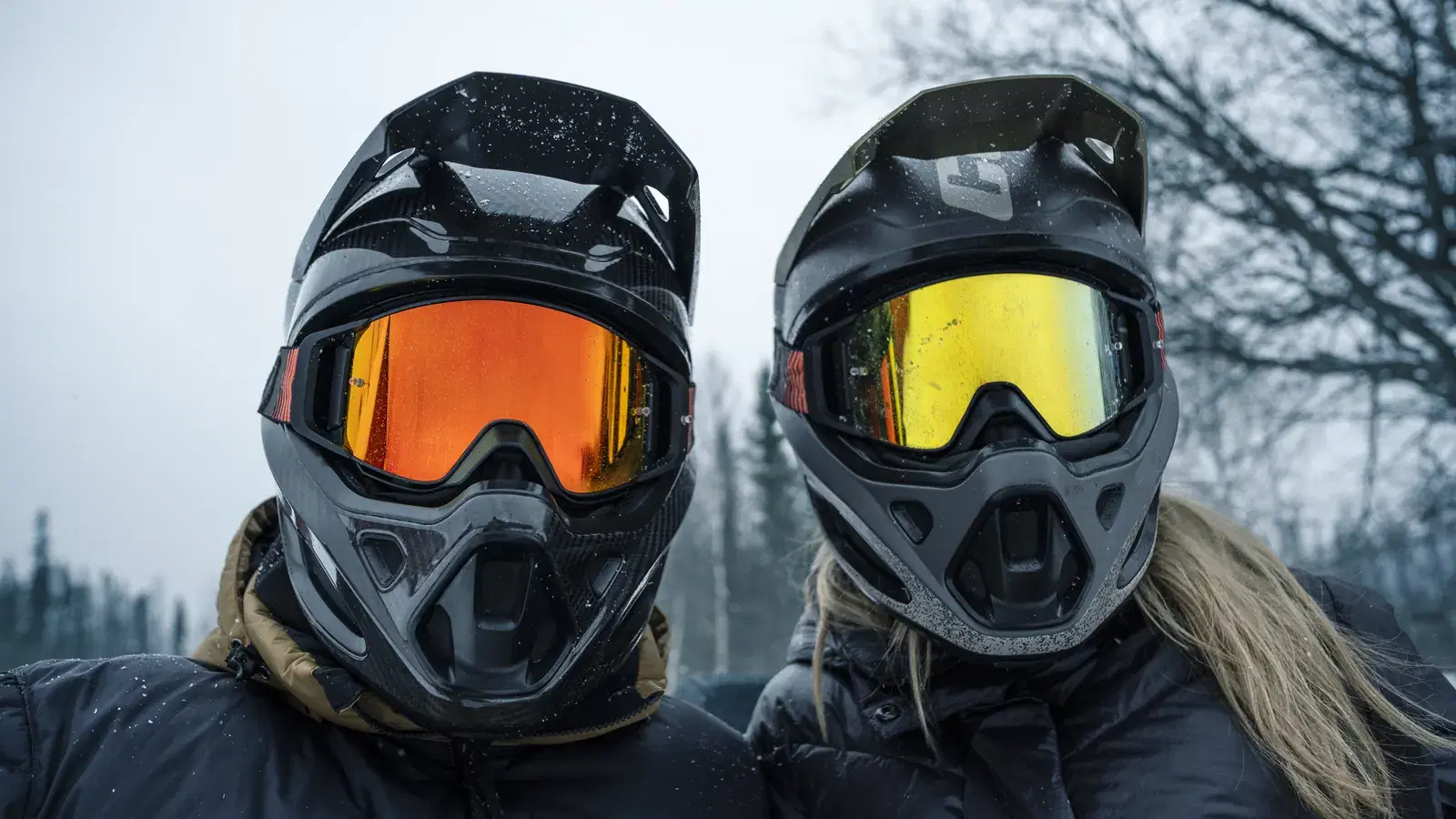
Choose the tint for the light: a clear, yellow or rose lens brings out terrain contrast on grey days, late in the day or in the woods; a dark or mirrored lens cuts glare in bright sun on snow. For snowmobiling, a dual-pane lens (two layers with an air gap) fogs much less than a single lens. Finally, check that the frame fits your helmet's eye port with no gap over the nose.
Not seeing the bumps and turns of a trail is one of the simplest causes of a crash. The right pair of goggles, with the right lens, changes how you read the terrain on a snowmobile as much as on an ATV or a dirt bike.
This guide explains how to choose a lens tint, the difference between single and dual-pane lenses, and how to care for your goggles so they last.
Which Tint for Which Light
If you only want one pair, pick a versatile tint for the conditions you ride in most, and keep a spare clear lens for evening rides. Many models have interchangeable lenses.
| Tint | Conditions | Why |
|---|---|---|
| Clear | Night, very low light | Lets the most light through |
| Yellow, amber or rose | Grey days, flat light, woods, late day | Brings out terrain relief and shadows in the snow |
| Smoke or grey | Mixed sun | Cuts brightness without changing colours much |
| Mirrored or very dark | Bright sun on snow | Limits glare |
Single vs Dual Pane, and Fogging
- Single lens — light and common for summer ATV and dirt-bike riding, but it fogs more easily in the cold.
- Dual lens — two layers separated by an air gap that insulates the inner lens from the cold; the usual choice for snowmobiling.
- Anti-fog coating — applied to the inside face; it wears off if you wipe it, especially when the lens is wet.
- Venting — the frame foam lets air circulate; don't block it with a neck gaiter pulled too high, which pushes your breath into the goggles.
- Heated lens — some snowmobile goggles have an electrically heated lens, the most effective way to beat fog at low speed.
Goggles vs Visor, and Helmet Fit
A full-face helmet with a visor (ideally dual-pane or heated for snowmobiling) replaces goggles. An MX or open-chin snowmobile helmet is worn with goggles. See our snowmobile helmet guide.
Try goggles on with your helmet: the frame should fill the eye port with no gap over the nose, no pressure on the bridge and no slipping. The strap should sit on the shell. A gap between helmet and goggles lets cold air in and can frostbite the forehead in deep cold.
Caring for Your Lenses
- Let goggles air-dry at room temperature, never on a heater or in front of a hair dryer.
- Blot the inside with the supplied microfibre bag instead of rubbing, to protect the anti-fog coating.
- Avoid glass cleaner and paper towels, which scratch lenses or damage coatings.
- Store them in their case or bag; a scratched or delaminated lens can often be replaced without changing the frame.
Frequently Asked Questions
Choose the tint for the light: a clear, yellow or rose lens brings out terrain contrast on grey days, late in the day or in the woods; a dark or mirrored lens cuts glare in bright sun on snow. For snowmobiling, a dual-pane lens (two layers with an air gap) fogs much less than a single lens. Finally, check that the frame fits your helmet's eye port with no gap over the nose.
Light tints — yellow, amber or rose — bring out snow relief in flat light better than a dark or mirrored lens.
Most often: a single lens in the cold, breath rising under a neck gaiter pulled too high, or a long stop with no airflow. A dual-pane or heated lens fixes most cases.
Yes, but a single lens will fog more in the cold. For winter, a dual-pane pair is a better choice.
Not if the helmet has a visor. MX helmets and some snowmobile helmets have none and are worn with goggles — see our ATV required gear guide.
Groupe Contant carries goggles at /gear/goggles and lenses and accessories at /gear/helmet-accessories, online and at its branches.
In our store
In stock now · Goggles


Groupe Contant — Your Quebec Dealer
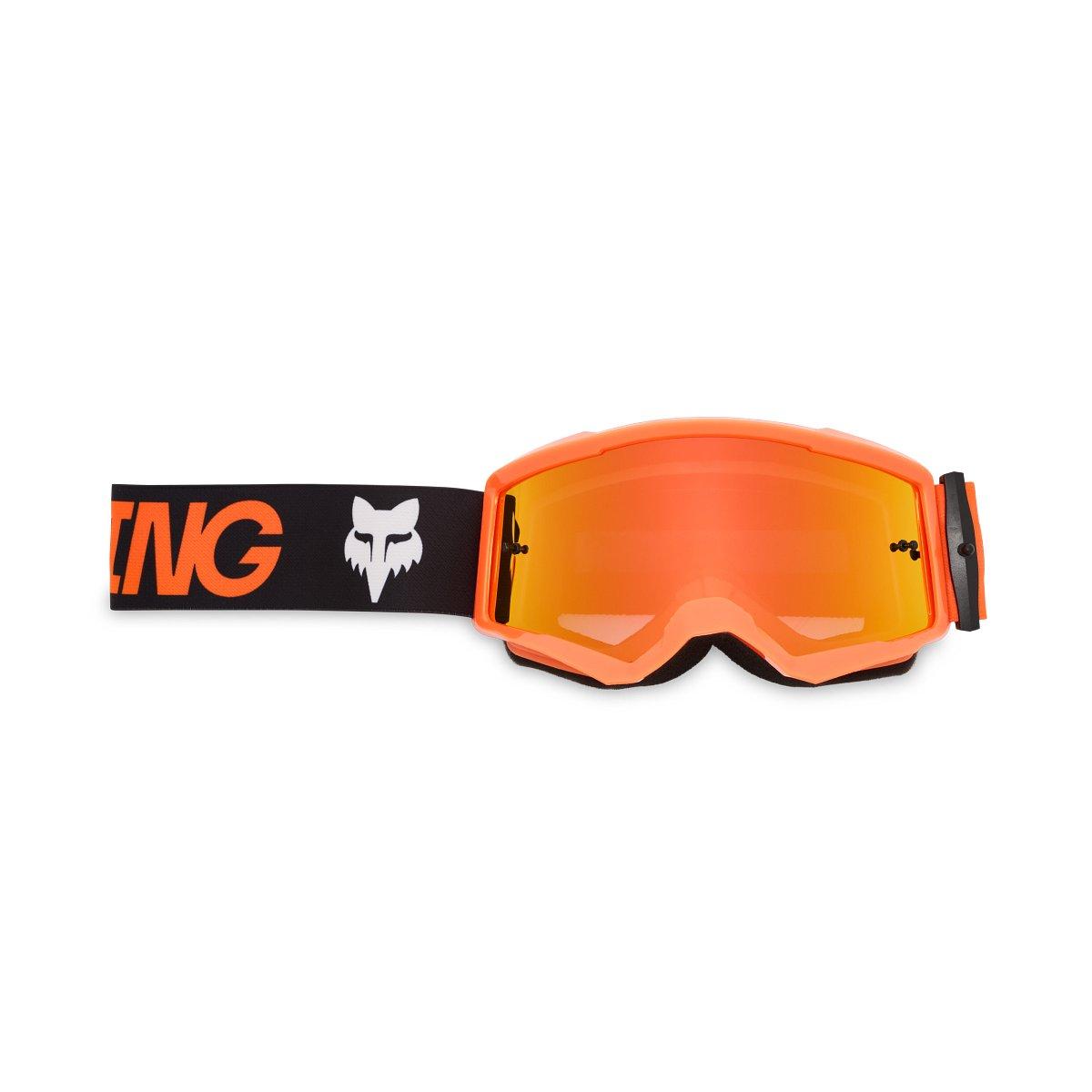
Compare our snowmobile and off-road goggles, online or in store.