








Gear & Apparel
How to Dress in Layers for Snowmobiling
By the Groupe Contant Team · Published October 17, 2026
Quick Answer
How should you dress for snowmobiling?
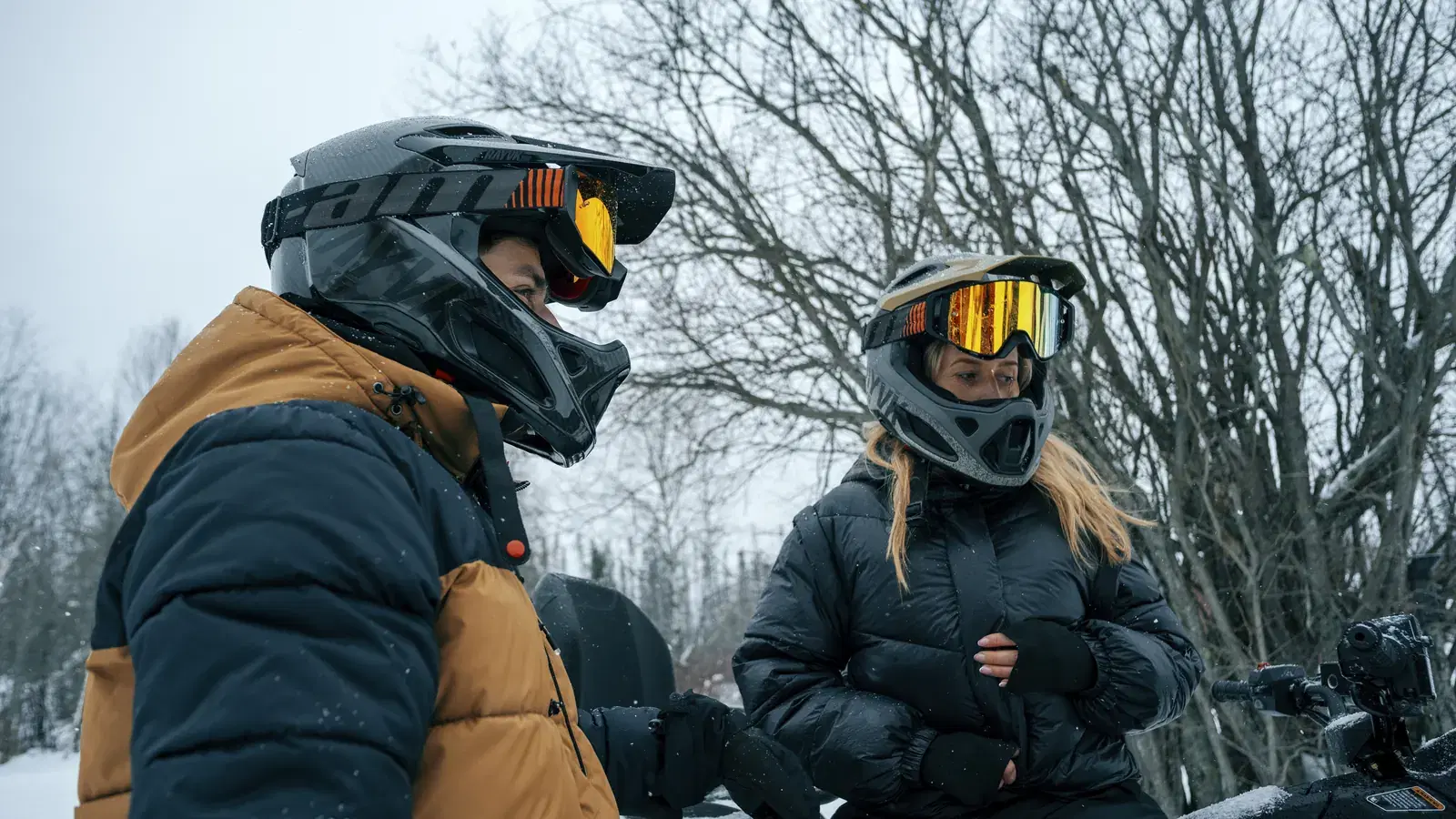
Wear three layers: a synthetic or merino wool base layer that wicks sweat (never cotton), an insulating mid layer such as fleece, and a waterproof, windproof outer layer, insulated or not. Finish with snowmobile mitts or gloves, warm socks, insulated boots and a neck warmer. The more you move (deep snow, mountain), the more your outer layer should breathe and the less insulation it needs.
On a snowmobile, you often get cold for an unexpected reason: you're wet. Sweat built up during a hard stretch chills your body as soon as you slow down.
Layering solves that. Each layer has a specific job, and you can add or remove one depending on the temperature and how hard you're working.
The Three Layers and What They Do
| Layer | Job | Materials |
|---|---|---|
| Base | Move sweat away from your skin | Synthetic or merino wool; no cotton |
| Mid | Hold in warmth | Fleece, synthetic insulation or down |
| Outer | Block wind, snow and moisture | Waterproof, breathable shell, insulated or not |
Base Layer: No Cotton
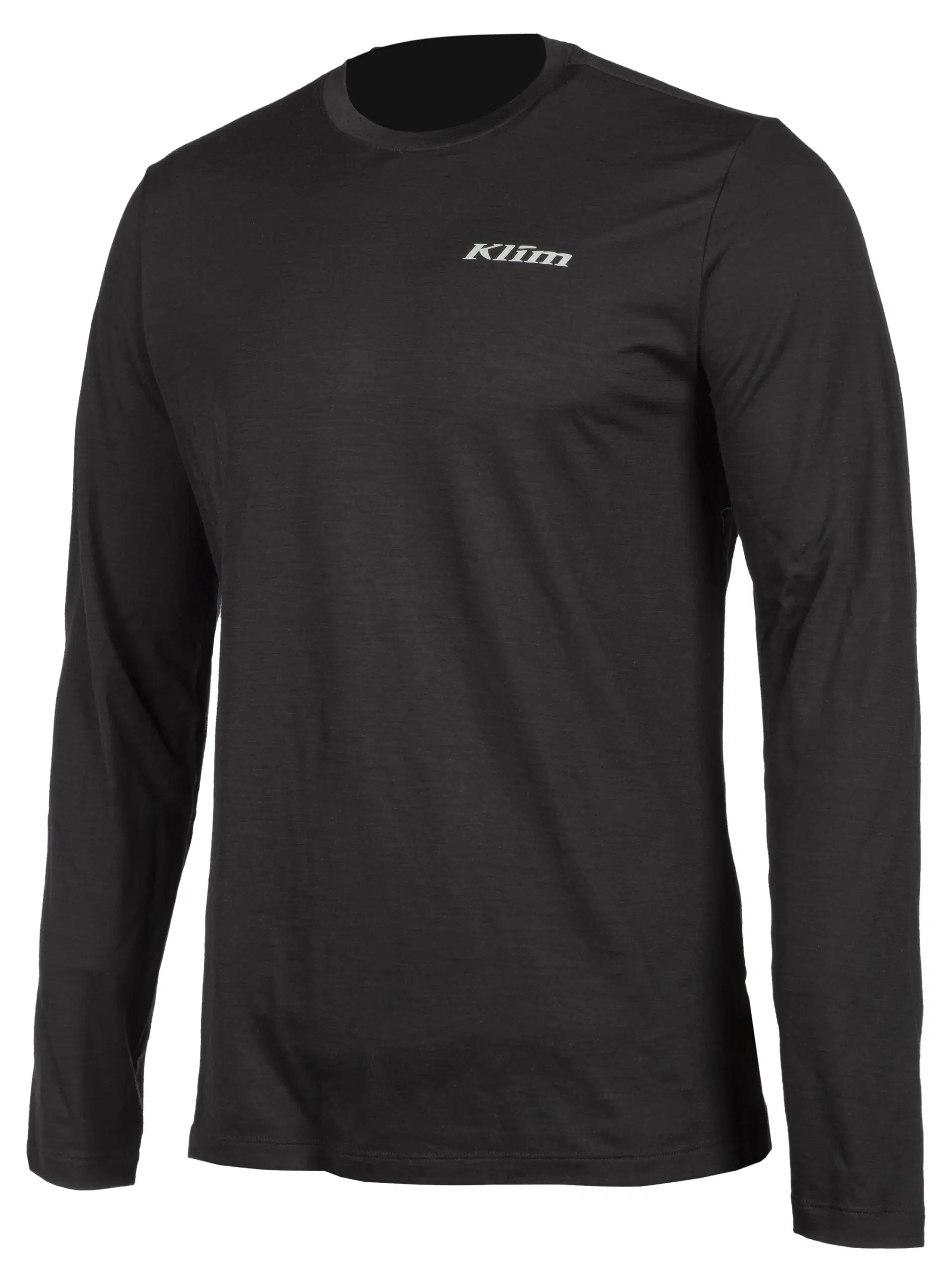
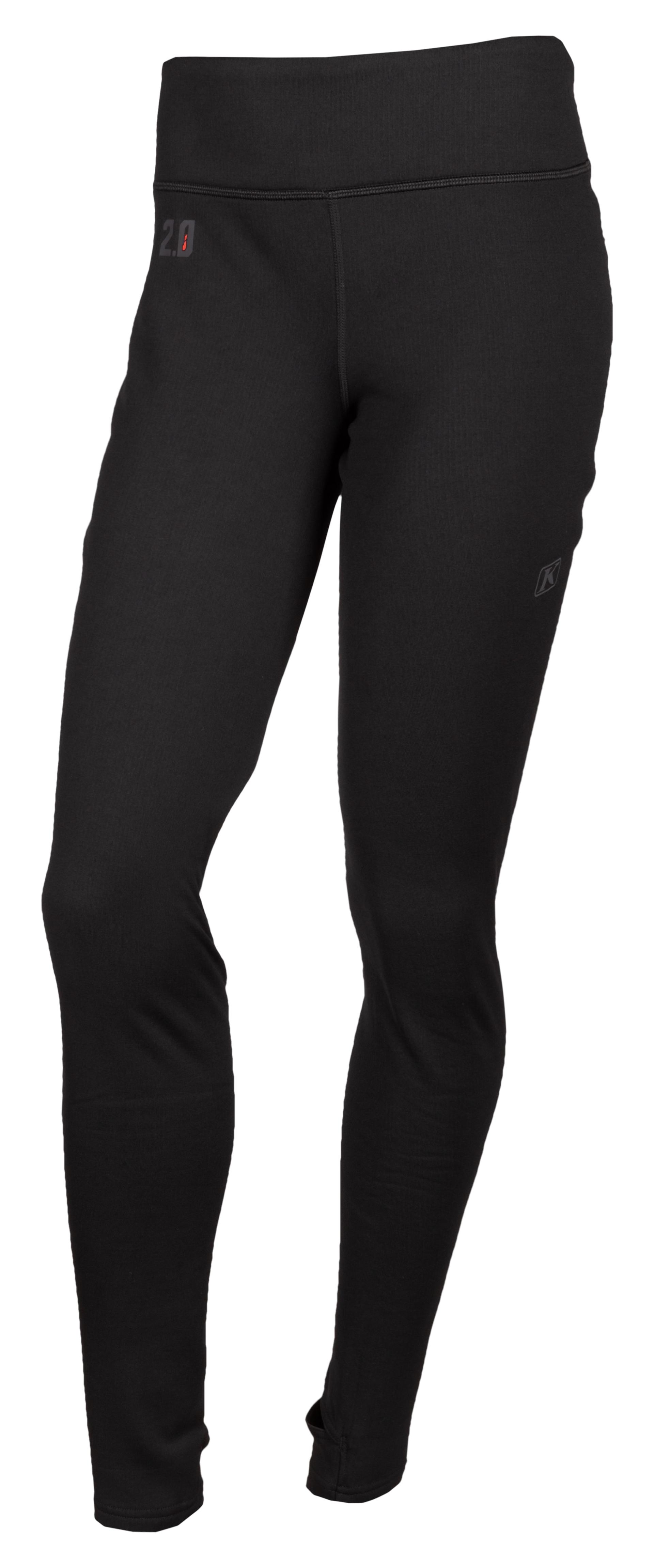
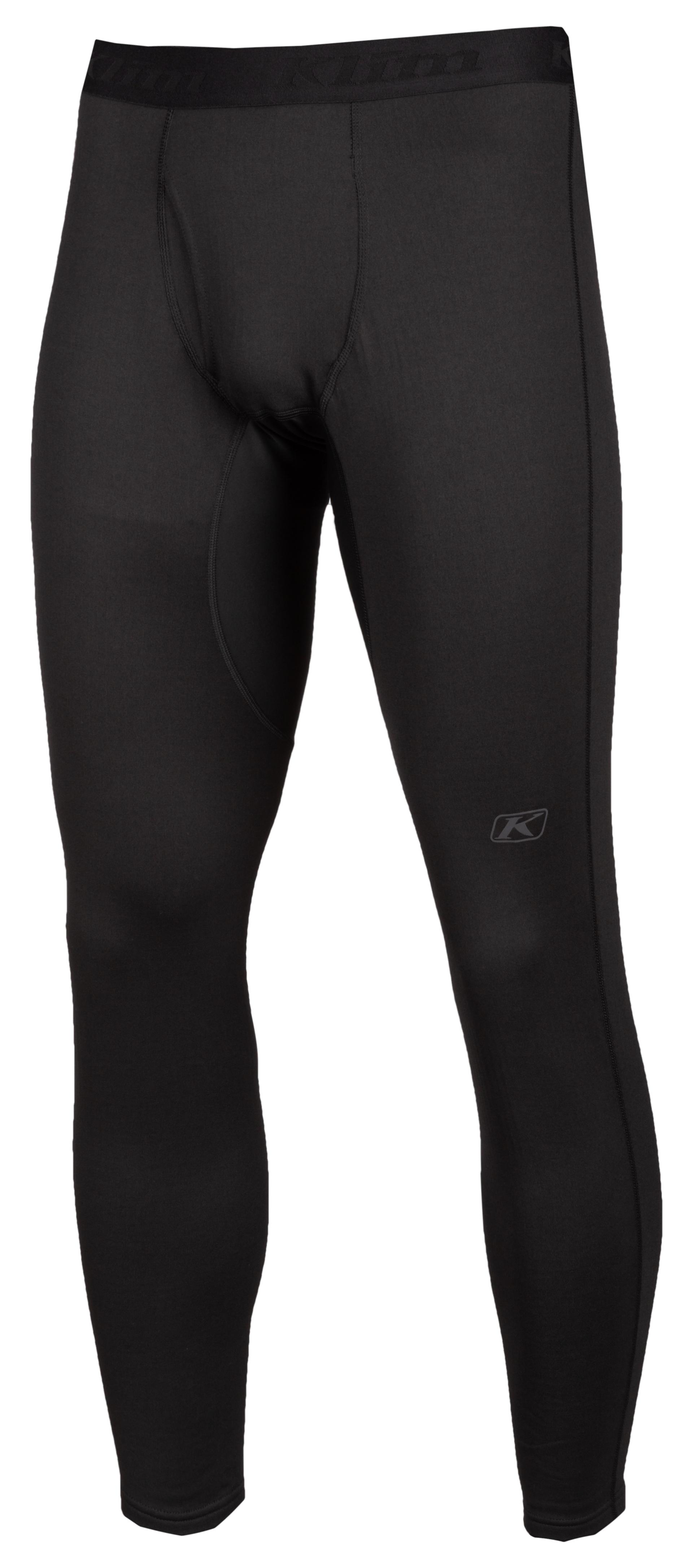
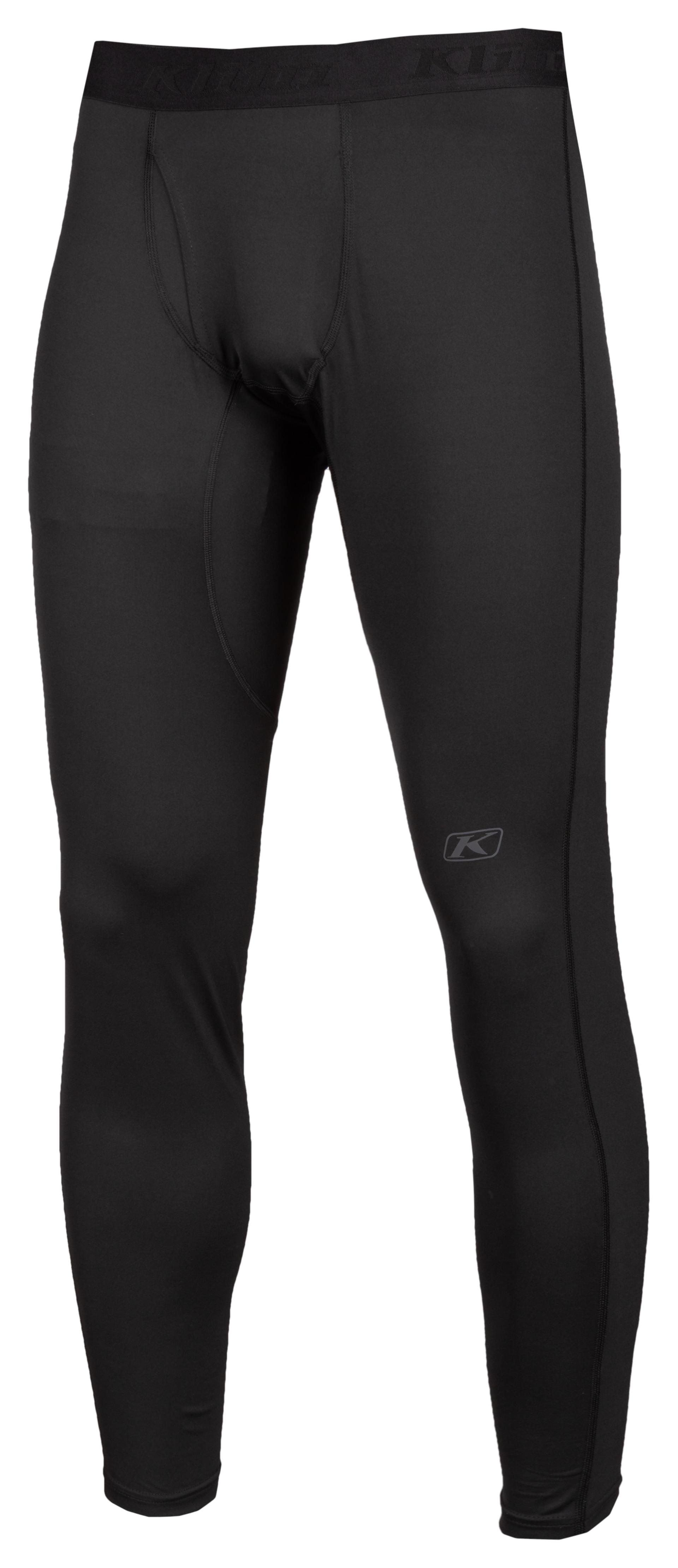
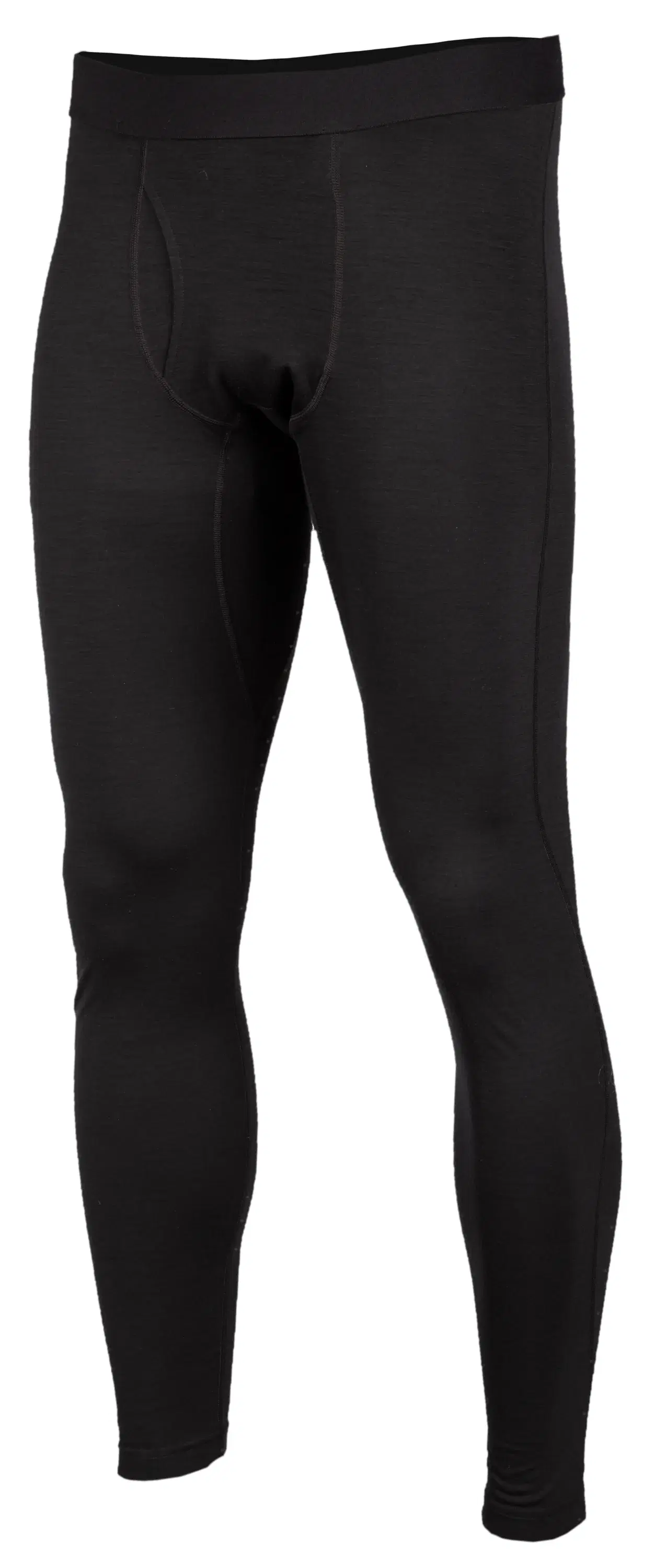
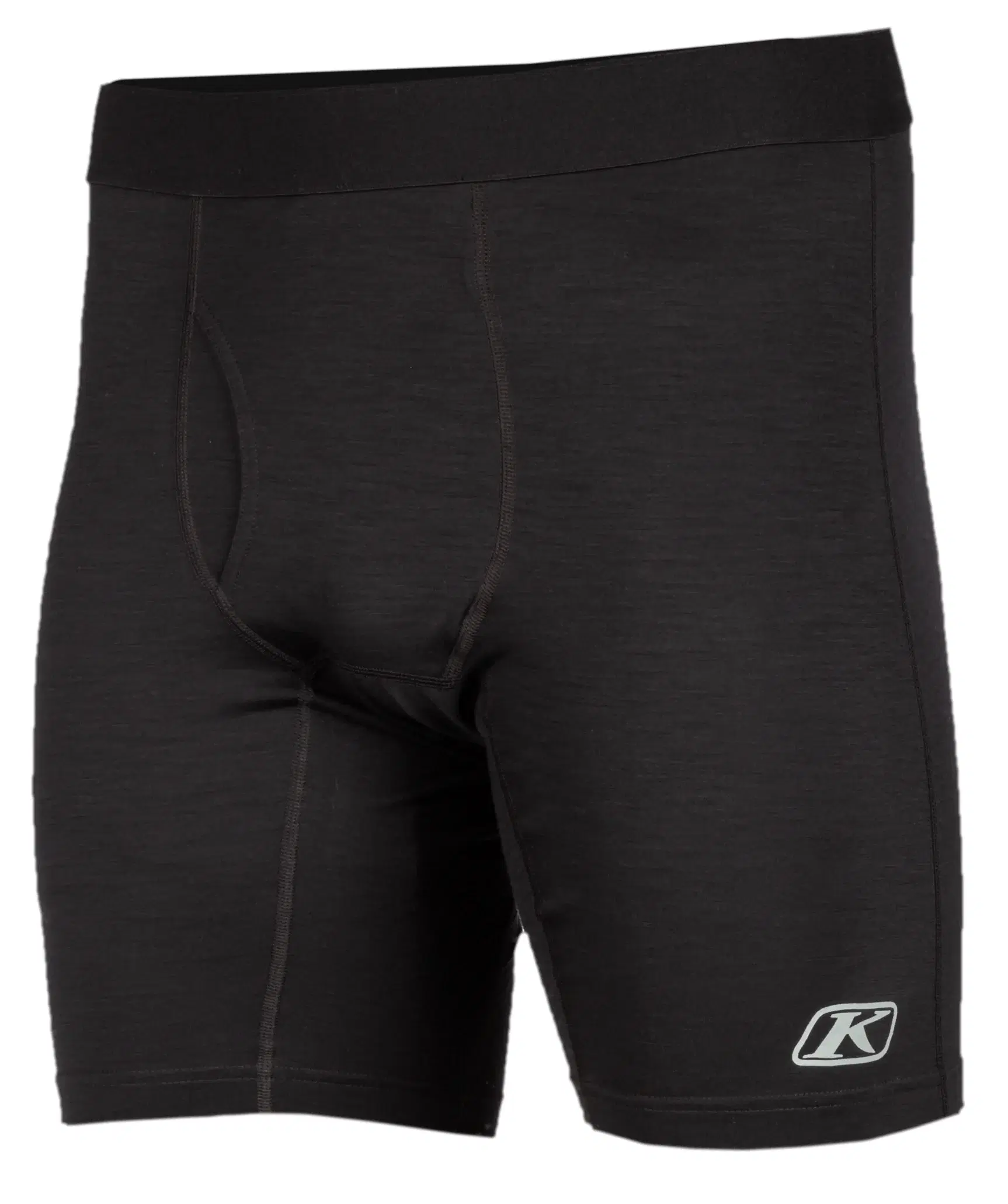
Cotton soaks up moisture and holds it against your skin. A synthetic or merino wool base layer, close-fitting without being tight, moves sweat out to the next layers. See our base layers.
Outer Layer: Insulated or Shell?
An insulated jacket and bibs hold warmth without a thick mid layer: handy for trail riding, where you don't move much. A non-insulated shell, combined with a mid layer you choose, breathes better and adapts to effort: the usual choice for deep snow.
One-piece or two-piece? Our monosuit vs jacket and bibs comparison explains the difference. See also our jackets and bibs and pants.
Hands, Feet and Neck
- Hands — mitts keep fingers warmer than gloves; gloves give more dexterity. Many riders bring a spare pair. See our gloves and mitts.
- Feet — synthetic or wool socks (no cotton) and insulated boots roomy enough not to cut off circulation. See our boots and socks.
- Neck and face — a neck warmer or balaclava under the helmet blocks cold air coming in at the collar.
- Heated gear — heated gloves, insoles or grips help a lot in deep cold; see our heated gear guide.
Adjusting for How You Ride
- Trail riding — light effort, long stretches seated: more insulation, an insulated outer layer or a warm mid layer.
- Deep snow and off-trail — hard effort: thin mid layer, breathable shell, vents open on climbs.
- Stops — add a layer as soon as you stop for long, before you get cold.
- Start slightly cool — if you're warm at the start, you'll sweat within the first kilometres.
Frequently Asked Questions
Wear three layers: a synthetic or merino wool base layer that wicks sweat (never cotton), an insulating mid layer such as fleece, and a waterproof, windproof outer layer, insulated or not. Finish with snowmobile mitts or gloves, warm socks, insulated boots and a neck warmer. The more you move (deep snow, mountain), the more your outer layer should breathe and the less insulation it needs.
Cotton absorbs sweat and dries slowly. Once wet, it chills your body as soon as you slow down or stop.
It can do in a pinch, but a snowmobile suit is built for a seated position, wind chill and snow getting in at the ankles and wrists. See our snowmobile vs ATV suit comparison.
It depends on the suit and the effort. With an insulated suit, a base layer is often enough; with a shell, add a mid layer. It's better to carry an extra layer in your bag.
Use the snowmobile's heated grips if it has them, choose mitts for deep cold, and keep a dry spare pair. Heated gloves are another option.
In our store
In stock now · Base Layers

Groupe Contant — Your Quebec Dealer
Base layers, jackets, bibs, gloves and boots: find your snowmobile gear in store or online.